On Identity and the Serpent’s Trick
Have you ever been told a story that left out—or didn’t focus enough on—a detail that completely changes everything? But then you notice it later, and it just shifts your whole perspective?
That is what happened when I was reading Genesis 3. For those unfamiliar with the story, it’s the famous biblical account where the first humans, Adam and Eve, disobey God by eating forbidden fruit in the Garden of Eden. All along, the narrative focus has always been on the punishment: the excruciating child-bearing pain (too much, btw) and having to sweat and toil just to get food. And, of course, the classic burden placed on the woman for bringing all this suffering about (eye roll).
We rarely talk about the grace quietly tucked right into the middle of the discipline:
“The Lord God made garments of skin for Adam and his wife and clothed them.” — Genesis 3:21
I know this chapter is about the fall of man, of sin, and the consequences. But this verse stood out. Maybe because I am an optimistic little creature. Or because I think this might be the key takeaway from this chapter.
Either way, God was angry. He even gave out a series of punishments for the man, the woman, and the serpent. And that’s not all. He kicked them out of the Garden so they might be kept away from the tree of life—oh yes, there was apparently another tree. But before He kicked them out, He made clothes for them: garments of skin to cover up and to replace the twigs they had tried to use, which were obviously insufficient.
They were about to go out into a world they knew nothing of, away from what they had been used to. And it was not going to be easy: the toiling of the earth, the painful birth, and the heel-biting and head-smashing of the offspring and the snake. It was obviously no job for clothes made of twigs. And so God made them fitting garments.
Even in His anger. In the disappointment. He still made time to make them garments.
Can you imagine how good life would have been in the garden if they hadn’t listened to the serpent? Or was it necessary that they met and ate from the fruit and got knowledge of what was good and evil? And wouldn’t it have been better if they had been told that they were made in God’s image and likeness?
Because that is what the serpent sold them: the possibility to be like God. Something they already were.So they already were God-like and maybe, had they been patient and spent a little more time in the garden, they would have known just who and what they are, and what they were actually capable of. And maybe it wouldn’t have been so easy to trick them into believing they were anything less than that.
And that is something I think we all need to learn. We need to know who we are and who we are not. What we can and what we cannot do. That way, anybody or anything that comes to us with different stories may not be able to convince us otherwise, because we already know.
This passage is usually titled the Fall of Man. And for the longest time, I never understood why.
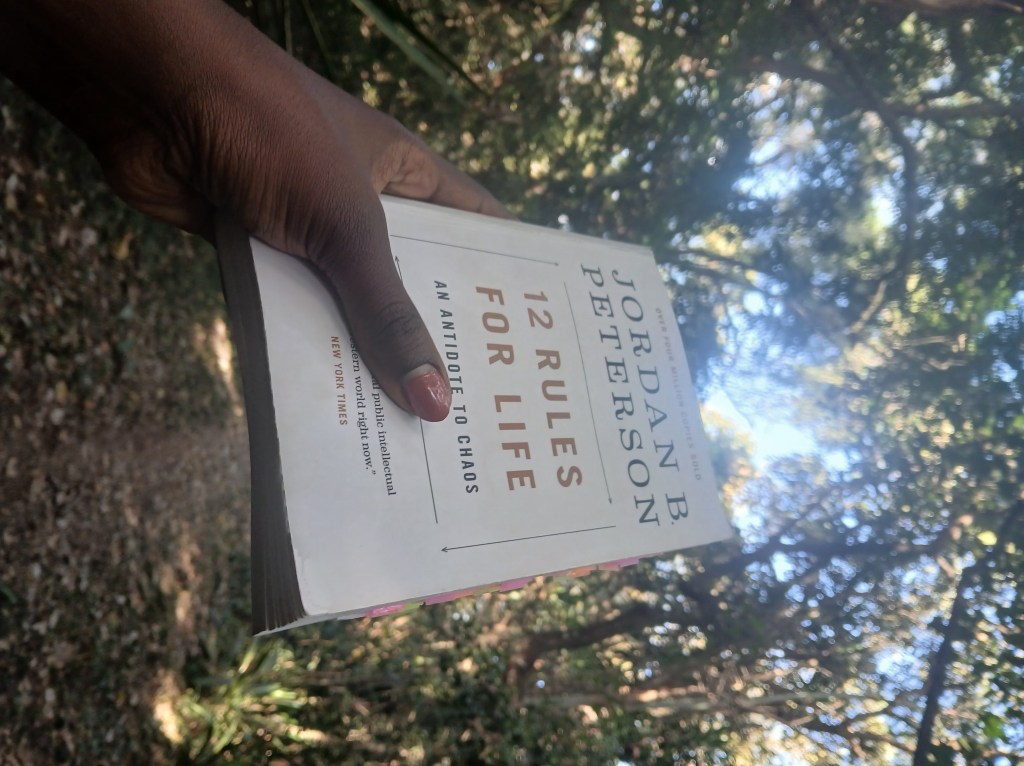
But now, I think it is less about a permanent demotion and more about the stripping away of an unearned identity—moving from a state of unconscious perfection to having to find it for ourselves. Or, as Carl Jung might suggest, it is a symbolic representation of how man falls into his instinctual nature, turning life into a constant journey upward. Back to who we were meant to be all along.
I don’t know if the serpent ever tried to not crawl again or go back to how it was. Because the punishment was the crawling, so it is safe to assume that it wasn’t a crawling animal naturally—that it moved in other ways. Maybe even a divine creature.
But we have been trying. Humanity has spent millennia trying to claw its way back up to a status of worth, holiness, and divine connection through religion, morality, or self-improvement—treating it like something we lost and have to buy back.
But if you were already made in His image, and if He clothed you and cared for you even in your worst mistake, then the “journey up” isn’t about climbing up to a throne that belongs to someone else. It’s just waking up to the reality of who you were all along.
The identity was never really lost; our awareness of it was.



Leave a Reply