But Mostly You.
Rule No. 3: Make friends with people who want the best for you.
Sounds obvious, doesn’t it?
Why would anyone intentionally surround themselves with people who don’t want the best for them?
Growing up—and to this day—my mom has always been on my case about the company I kept. The difference now, aside from the fact that I actually understand where she was coming from, is that she actually approves of a few of them.
Some. Not all.
Of course, she doesn’t know too much about most of them now (I don’t tell her). Or she hasn’t met them yet (I haven’t let her). But still, somewhere in the back of my mind, I wonder what she’d think. Would they meet her standards? Or would none of them ever be good enough for her baby?
I know—and maybe she does too, even if she won’t admit it—that her baby might actually be the problem.
That’s not a conversation she’s ready to have. And honestly, I don’t think I’m ready for it either.
But I’m a little wiser now. While I truly understand the need to be mindful of who I keep around me, I also know that who I decide to keep—and who decides to keep me—says a lot more about me than it does about them.
The Uncomfortable Mirrors
Sometimes, it’s just messed up. It’s a matter of not seeing yourself as worthy of good friends. Maybe your whole idea of a good friend is skewed—because you are, too.
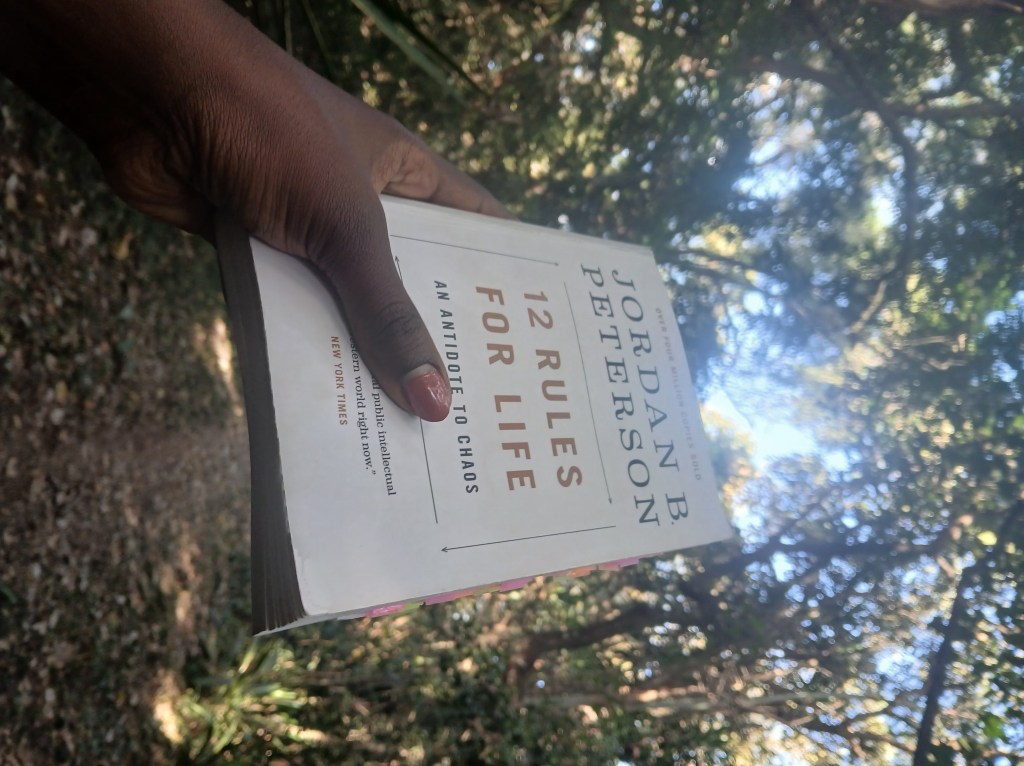
“Sometimes when people have a low opinion of their own worth—or perhaps when they refuse responsibility for their lives—they choose a new acquaintance, of precisely the type who proved troublesome in the past. Such people don’t believe that they deserve any better—so they don’t go looking for it.”
Other times, it’s the desire to save someone. You take upon yourself the noble task of pulling them out of their misery. Because you know—and they know—that they need help. And that’s great, if that’s truly what’s happening. If you really want the best for them and you actually have the capacity to deliver it.
But this is a tricky endeavor. They have to want to be saved, and you have to be capable of saving them. Most times, it is infinitely easier to be pulled down than to lift someone up.
Or maybe—if we’re being completely honest—you don’t actually want to save them. They just make you look good. Their vices make yours look manageable. Their raging alcoholism makes your binge drinking appear trivial. The long, late-night talks about their failing relationship convince you that you’re doing fine in yours. It makes your own toxic dynamic easier to live with.
Or maybe—and I think this is the most probable answer—there is no rescue mission at all. You’re associating with people who are bad for you simply because it’s easy.
The Compact of Stagnation
It’s easier for you and them to stay the same. It’s easier to sit together and convince one another how difficult it is to wake up early, to meditate, to go for that walk, or to quit the habit you all know is doing more harm than good.
If they don’t change, and you don’t change, everything stays comfortable. And as humans, we are wired to do the easiest thing, not the most difficult.
If you don’t suffer from any of this—if you’re lucky enough to have friends who are constantly growing and challenging you to do the same—bravo.
But if you’ve found yourself, not once or twice, questioning the worth and value of your friendships, or feeling that they drain more than they build… maybe it’s time to take a hard look at yourself, not them.
The Final Twist
This isn’t a call to cut people off—especially as we approach the end of the year, eager to hit reset for a fresh start.
It’s a call to ask a much harder question: Why haven’t they cut you off?
If you think they’re so bad, yet they keep you around, what is it about you that they are tolerating?
Could it be that you, too, have taken the easy way out? That you’ve refused to get better so that they don’t have to either? Have you refused to lead by example? Do they make you feel comfortable in your own stagnation? Are you simply refusing to aim up, to grow, to copy the ideal you claim to desire?
“If you have a friend whose friendship you wouldn’t recommend to your sister, or your father, or your son, why would you have such a friend yourself?”



Leave a Reply