Reframing Comparison as a tool.
What I shouldn’t do, I do. What I should—I don’t.
Has been a way of life for a while. And I have made questionable decisions. While I acknowledge that life’s just like that, there’s one habit that has been troubling me lately.
I have never been one to compare my life to other people’s. I know we are just seeing the reels and highlights and missing the whole point. I know everybody is on their own journey, with their own experiences, beliefs, and points of view. I know that in my core, and I try my best to make room for people to be.
Also, unfortunately, I have never been one to like being told what to do. Maybe that’s the issue here. Maybe it isn’t.
You’ve seen it, I’ve seen it, too. Probably hear it more often than we like: “Don’t compare yourselves to others.”
It’s solid advice. Reasonable. But it feels like it does just the opposite.
Trying hard not to compare yourself to someone somehow brings into light all the things you should actually be looking at, but haven’t been. It’s like someone telling you that somebody else is rude and you spend every minute looking and listening for the rude to come out. Or someone telling you not to be mad when you have every right to be. Do you stop getting mad or sad when they say that?
Yeah, me too.
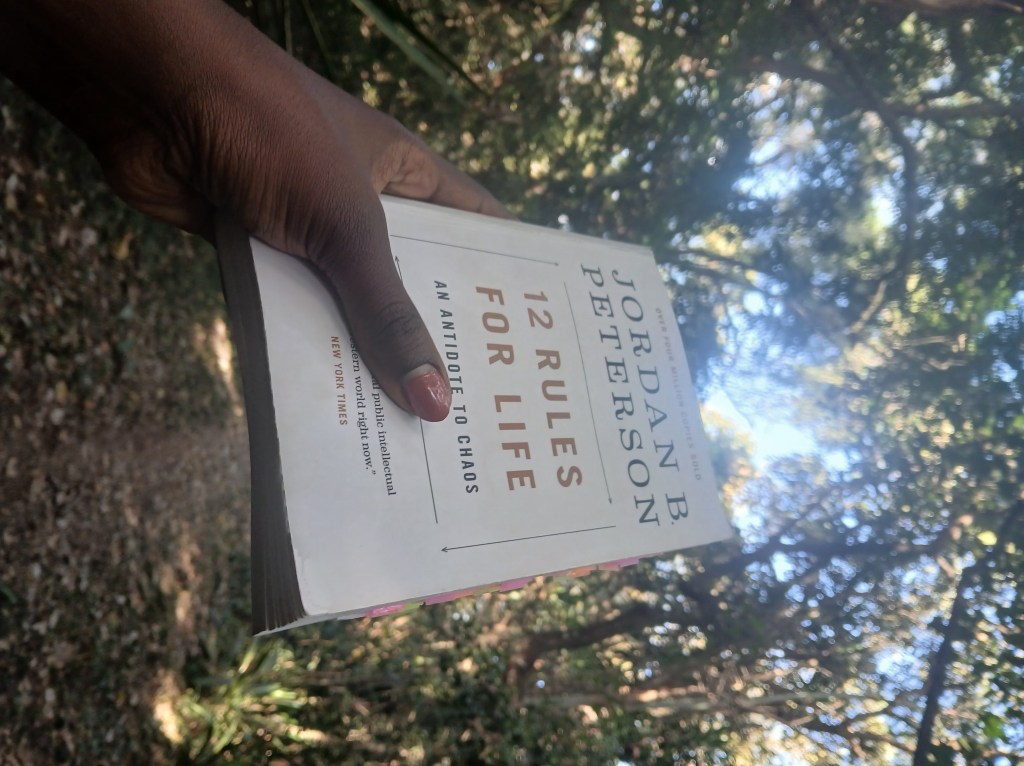
I’m starting to feel like advice that tells us what not to do is just broken. It ties back to Daniel Wegner’s experiment, where one group was asked not to think of a white bear—and, of course, thought about it even more. Frank H. Richardson said it so well: “There is no such thing as a psychological negative.” You cannot not think about something. All you can do is think about something else.
My suggestion? You cannot not compare yourself to people. Just do it wisely. Or moderately.
The challenge arises when you compare yourself to everybody who is famous or on social media, and then it becomes comparison against things you don’t even actually want.
So that becomes the starting point: What do you really want? Not what Instagram thinks you should. Not what your parents keep asking you to get. What do you really, really want?
Because once we know what we want—and are actively working towards it—it isn’t just comparison anymore. It becomes admiration, too.
And if you catch yourself bordering on the unhealthy, envious kind of comparison, maybe it’s just showing you that you haven’t been doing the thing you should be doing.
Most of the time when I catch myself envying another writer, it’s because I know I haven’t done my writing yet. In that light, comparison isn’t an attack. It’s a guide showing you what you need to get up and do—and hopefully being strong enough to do it.
When you start getting things done, it isn’t the dangerous comparison that kills morale and makes you feel “less than.” It’s just, “Maybe I should try that, too.”
And I sort of feel like that is healthy.




Leave a Reply