The Math of Bad Comparisons
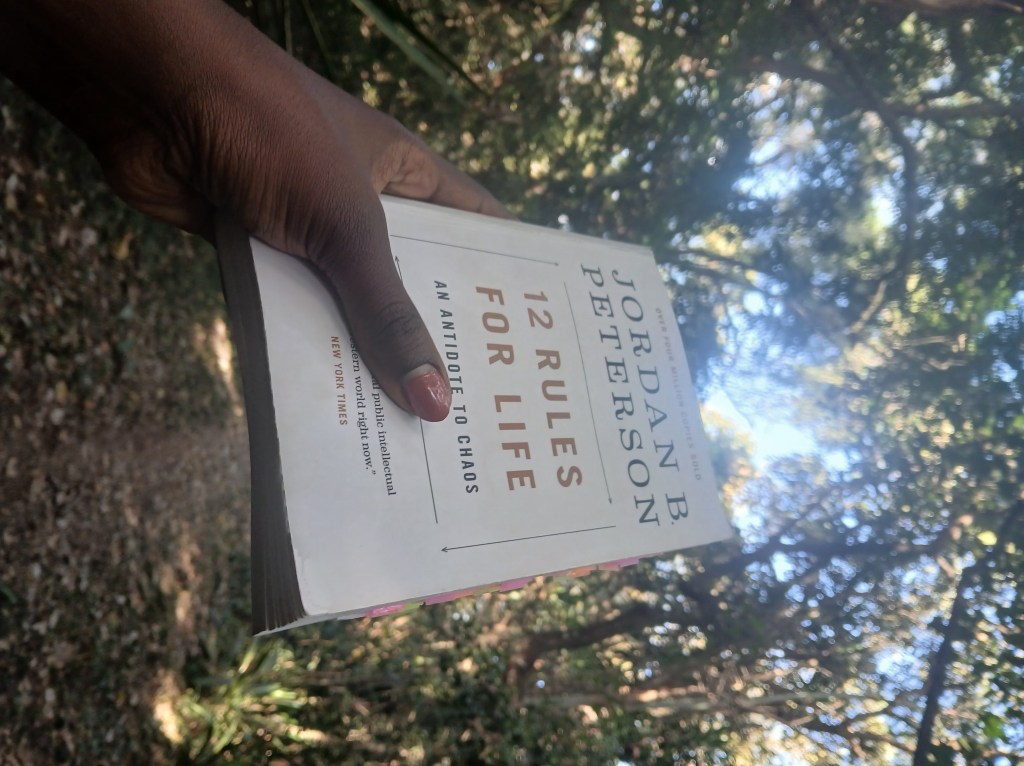
Rule no 4 : Compare yourself to who you were yesterday, not who someone else is today.
“To do anything at all is therefore to play a game with a defined and valued end, which can always be reached more or less efficiently and elegantly. Every game comes with its chance of success or failure.”
— Jordan Peterson, 12 Rules for Life
Let’s be honest for a second: I don’t think it’s actually possible not to compare ourselves to other people.
We live in a world where there are always better ways of doing things and better outcomes to be had. And almost always, those better ways exist because someone else figured them out first. Noticing that is just human nature.
But here’s where we go wrong: we mistake someone else’s skill for superiority.
We pick one or two things another person is exceptionally good at, hold that up against our entire existence, and decide that they are just better than us. Not better in those two specific areas—no, that would be too reasonable. We decide they are better human beings, period.
Which is completely ridiculous.
We are complex, messy, complicated individuals with unique identities, shifting values, and circumstances so vastly different that it’s an absolute injustice—to ourselves and to reality—to look at a snippet of someone else’s life and label them the “success” and ourselves the “failure.”
Is there really no in-between? Must life always be a binary of winning or losing? Why can’t it just be a continuous journey from point A to point B, where point B is hopefully a little better than where we started?
Or could it be that you’re simply undervaluing what you already have while inflating the value of what you lack?
The reality is that none of us are going to be winners at everything. We’ll be great at a few things, aggressively average at most, and downright terrible at a couple more. That applies just as much to the people you think have it all figured out. They’re just winning at the specific game you happen to be struggling with right now.
Which brings up a fair question: Are you even enjoying the games you’re playing? Or are you running yourself ragged on boards you could easily walk away from?
Sure, some games are non-negotiable. We are social creatures, and we can’t entirely opt out of society’s expectations. But a lot of these competitions are completely unnecessary—a pure waste of time and energy. We aren’t entirely helpless here. We get a say in where we direct our focus.
And attention is an extraordinarily powerful tool.
The problem is that we spend almost all our attention looking outward instead of inward. We don’t direct it toward understanding who we are, why we act the way we do, or why certain things matter to us while others don’t. We don’t use it to figure out what small parts of our lives could actually be improved—and how to go about improving them.
We barely know ourselves, yet we look at someone’s curated exterior and declare them the winner. Think about it: if you were going to compare two smartphones, you’d look at the full specs for both before declaring one superior. It’s useless to compare two things when you don’t even know the specs of the device in your hands, let alone the one across the room.
You do, however, know a few precise things about yourself that could use work. And if you decided to fix them, you could.
It won’t happen in one dramatic plot twist. Life rarely changes through grand events. It changes through the quiet, daily habits that compound over time.
That is the entire point. Focus on those tiny levers. Set out to make your life just a fraction of a percent better every day. Over time, your baseline shifts upward. Your life literally cannot stay the same.
And the best part? You’ll be far too busy building your own momentum to care about who is supposedly winning at a game you didn’t even sign up to play.




Leave a Reply